Border Collie vs Labrador Retriever
A side-by-side comparison to help you find the right breed for your lifestyle.
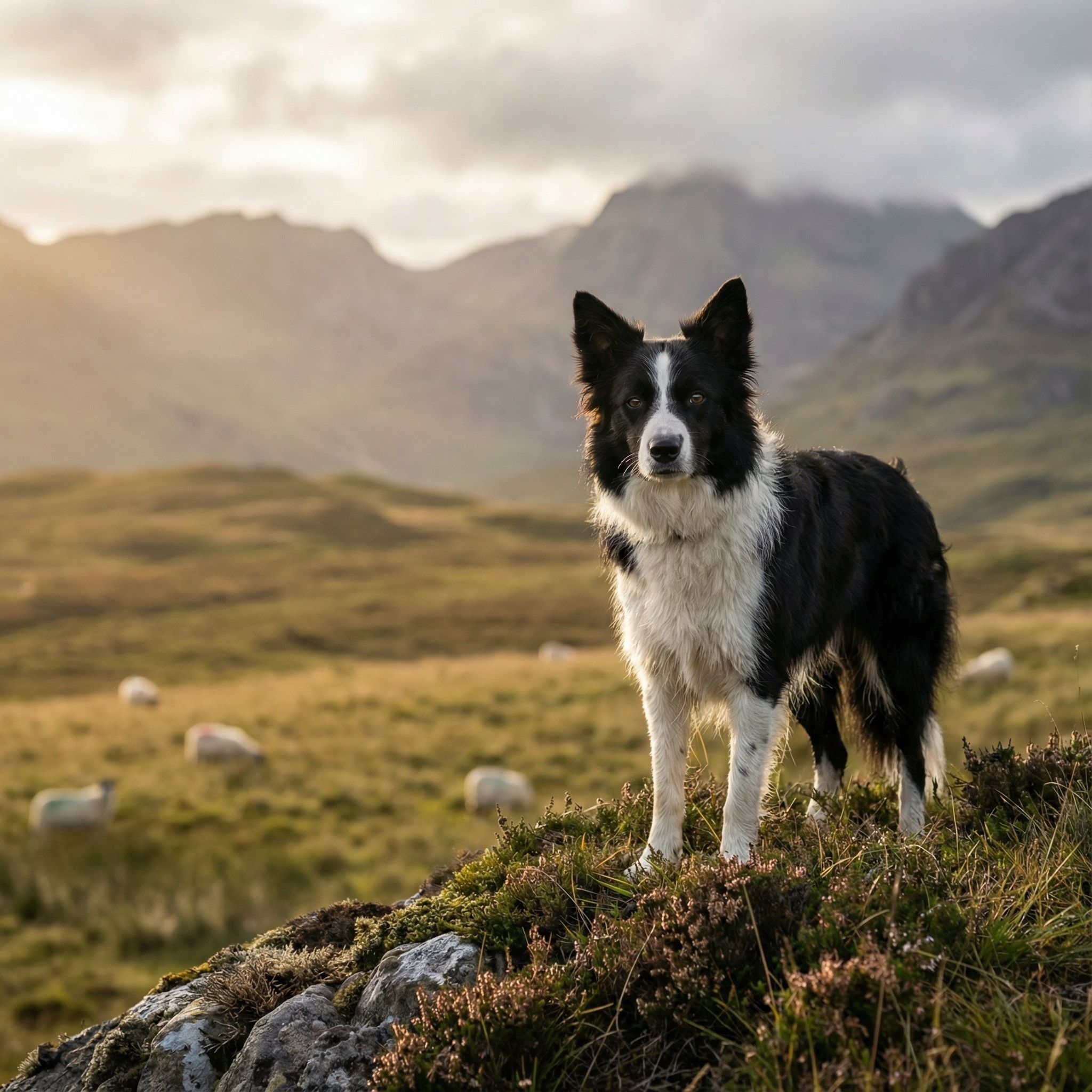
Border Collie
Also known as: Scotch Sheep Dog, Sheepdog
The Border Collie is the world's most intelligent dog breed, renowned for its exceptional herding abilities and intense work drive. Originating from the Anglo-Scottish border region, this breed requires significant mental and physical engagement daily - making it ideal for experienced owners who can provide structured activities and a job to do.
Medium
High
12-15 yrs
46-56 cm
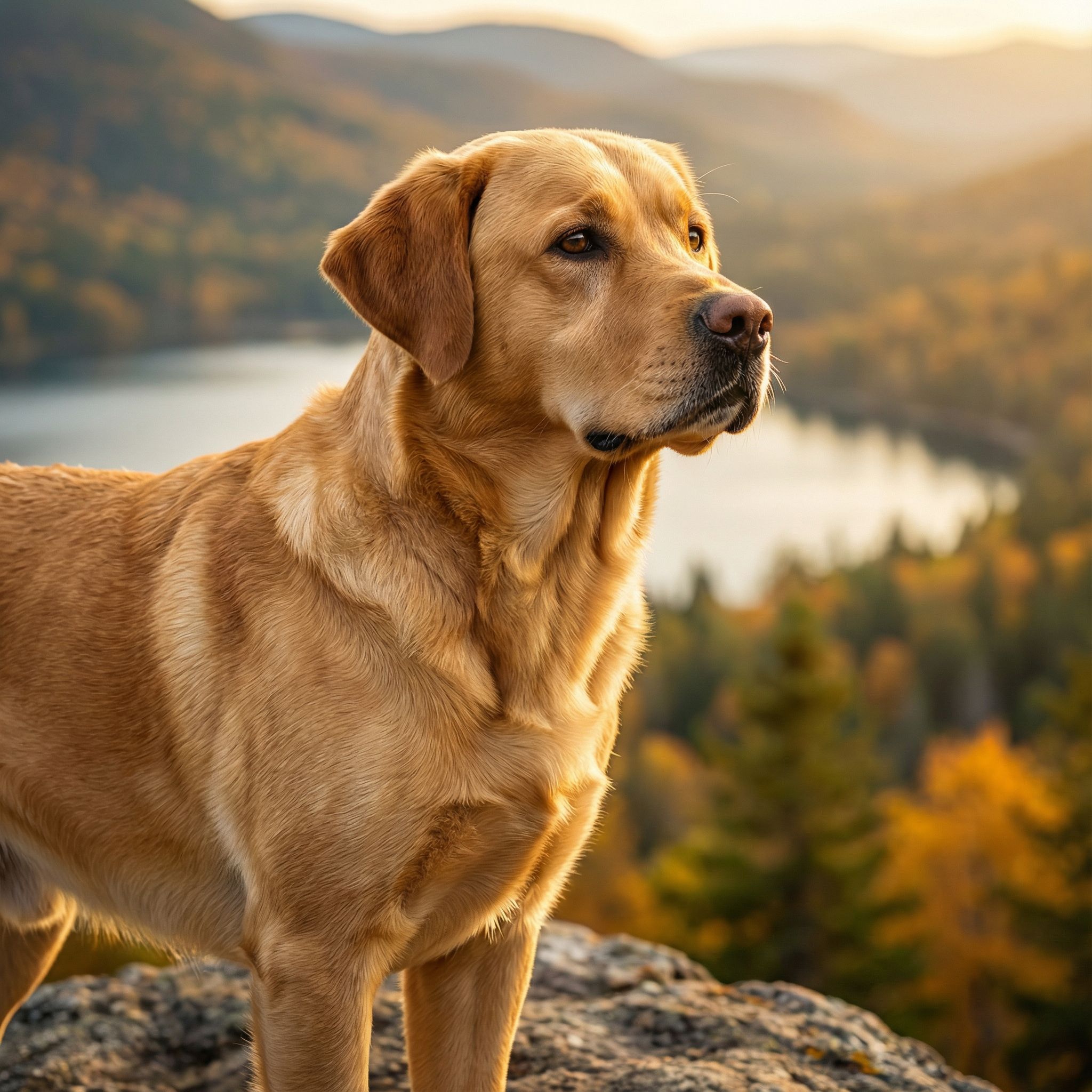
Labrador Retriever
The Labrador Retriever is a friendly and outgoing breed known for its intelligence, versatility, and strong retrieving instincts, making it a popular choice for families, service work, and as a loyal companion. Renowned for their gentle nature and eagerness to please, Labradors are highly trainable and thrive on human interaction and regular exercise.
Large
High
10-12 yrs
N/A
Quick Comparison
| Trait | Border Collie | Labrador Retriever |
|---|---|---|
| Energy | ||
| Trainability | ||
| Grooming Needs | ||
| Family Friendly | ||
| Independence |
Key Characteristics
| Good with Kids | ||
| Good with Dogs | ||
| Good with Cats | ||
| Hypoallergenic | ||
| Apartment Friendly | ||
| First-Time Owner OK |
| Detail | Border Collie | Labrador Retriever |
|---|---|---|
| Size | Medium | Large |
| Energy Level | High | High |
| Grooming | High | Low |
| Trainability | Easy | Easy |
| Barking Level | High | Medium |
| Shedding Level | High | High |
| Chew strength | Moderate | Hard |
| Housing | Yard | Yard |
Owner Fit & Decision Guide
Owner Match
| Trait | Border Collie | Labrador Retriever |
|---|---|---|
| Experience Level | Advanced | Beginner |
| First-Time Owner | ||
| Ideal Owner | Active individual or family with older children (8+). Has time for 90+ minutes daily of structured exercise and training. Experience with high-drive breeds. Ideally involved in dog sports (agility, flyball, herding trials). Has secure fenced yard. | Active individual or family who can provide adequate exercise and training for a Labrador Retriever. |
Border Collie Dealbreakers
- Sedentary lifestyle - if you want a dog to sit after a 20-minute walk, do not get a Border Collie
- Apartment living without extreme dedication to exercise
- Young children (toddlers) - herding nipping is dangerous
- Cannot tolerate high-pitched barking
Labrador Retriever Dealbreakers
- Cannot meet 60-90 min daily exercise
- Cannot tolerate heavy shedding
Surrender Risk
| Factor | Border Collie | Labrador Retriever |
|---|---|---|
| Risk Level | High | Medium |
| Primary Reasons | Hyperactive/destructive behavior - owners underestimate mental stimulation needs, Aggression (often fear-based reactivity or herding nipping misidentified as aggression), Surrendered most frequently between 1-2 years of age | Underestimated exercise needs, Behavioral challenges, Cost of care |
Temperament & Personality
Behavior Comparison
| Trait | Border Collie | Labrador Retriever |
|---|---|---|
| Prey Drive | ||
| Watchdog Ability | ||
| Stranger Friendly | ||
| Drool Level | ||
| Wanderlust |
Vocalization
| Trait | Border Collie | Labrador Retriever |
|---|---|---|
| Barking Level | High | Medium |
| Howling Tendency | ||
| Whining Tendency | Medium | Low |
| Separation Vocalization |
Safety & Reliability
| Trait | Border Collie | Labrador Retriever |
|---|---|---|
| Escape Artist | ||
| Dog Park Suitable | ||
| Off-Leash Reliable | ||
| Small Animal Safe | ||
| Leash Reactivity | ||
| Resource Guarding Risk | Low | Low |
Border Collie Social Traits
High
Generally good with dogs, individual varies
Labrador Retriever Social Traits
Low
Generally friendly
Training
Border Collie
- Use their food motivation for training
- Redirect herding instinct into appropriate outlets (fetch, agility)
- Teach 'place' command early for settling
- Keep training sessions short and varied - they get bored with repetition
Labrador Retriever
- ** Positive reinforcement is highly effective. Labs are "foodies" (especially those with the POMC mutation) and will work tirelessly for kibble.
Border Collie Considerations
Unlike breeds that chew a shoe when bored, an under-stimulated Border Collie may deconstruct drywall, develop OCD behaviors like shadow chasing, or herd children by nipping their heels.
Among the most susceptible breeds to noise phobias (thunder, fireworks, traffic). This sensitivity often triggers reactivity toward moving objects - cars, joggers, and bicycles.
Most Border Collies do not come with a factory-installed 'off switch.' They must be taught to settle, otherwise they will pace and stare at owners indefinitely.
The herding instinct (nipping heels) makes them a poor fit for toddlers. They will instinctively try to control children's movement.
Labrador Retriever Considerations
Labrador puppies are notoriously mouthy. Unlike the gentle nip of some breeds, Labs explore the world with their mouths and have a prolonged biting/mouthing phase that can last well into adolescence (6–18 months). This can be terrifying for young children and frustrating for owners.
A bored Labrador is a demolition machine. Their powerful jaws, bred to carry game birds, can easily destroy drywall, sofas, and solid wood furniture if their mental and physical needs are not met. This is not "bad behavior"; it is a displacement activity for an under-stimulated working dog.
Labradors mature slowly. They often retain a boisterous, puppy-like energy and lack of impulse control until they are 3 or 4 years old. Owners expecting a calm "Old Yeller" type dog at age one are often shocked by the reality of a 70lb dog with the brain of a toddler.
This is not a breed for people who want personal space. Labs are prone to separation anxiety if left alone for long periods. They are cooperative workers who need to be with their "pack."
Multi-Species Compatibility
| Species | Border Collie | Labrador Retriever |
|---|---|---|
| With Cats | Risk of harassment - will stare and block the cat, causing immense stress | Generally safe with proper introduction |
| Small Mammals | Unsafe - prey drive triggers with small fleeing animals (rabbits, squirrels) | Supervision required |
| Birds / Reptiles | Poultry compatible if trained, but untrained herding instinct can stress chickens to death | Caution advised |
Advanced Behavior
| Trait | Border Collie | Labrador Retriever |
|---|---|---|
| Predatory Sequence Risk | Arrested | Medium |
| Biddability | High | High |
| Noise Sensitivity | High | Low |
| Territorial Barking | ||
| Same-Sex Aggression Onset | N/A | 18 months |
Border Collie: Predatory sequence is Eye -> Stalk -> Chase. The 'Grab-Bite' and 'Kill-Bite' are genetically inhibited to protect sheep. However, in high-arousal state (screaming child running), inhibition can slip, leading to a 'nip.' Extremely biddable - lives to work *with* you, but soft and crumbles under harsh punishment.
First Year & Life Stages
First Year Challenges
| Challenge | Border Collie | Labrador Retriever |
|---|---|---|
| Puppy Difficulty | ||
| Destructive Phase | 4-18 | 6-10 |
| House Training | Easy | Moderate |
| Crate Training | High | Medium |
| Adolescent Regression |
Border Collie: Border Collie puppies are 'land sharks' - they instinctively nip at moving heels (kids, runners). This is herding instinct, not aggression. Redirecting this behavior is the primary challenge of the first year. Between 6-18 months, they often become reactive to motion or noise - this is a critical window where fear periods can become lifelong phobias.
Labrador Retriever: Labrador Retriever puppies require consistent training and patience.
Life Stages Timeline
| Stage | Border Collie | Labrador Retriever |
|---|---|---|
| Puppy Phase | 12 months | 12 months |
| Adolescence | 6-24 | 6-18 |
| Adult Years | 2-8 | 2-8 |
| Senior Onset | ~9 years | ~8 years |
| Peak Energy Age | 1-4 years | 1-3 years |
Size & Physical Characteristics
Physical Stats
| Measurement | Border Collie | Labrador Retriever |
|---|---|---|
| Height | 46-56 cm | N/A |
| Weight | Not enough data yet | Not enough data yet |
| Size Category | Medium | Large |
| Lifespan | 12–15 years | 10–12 years |
| Litter Size | 4-8 | 4-8 |
Border Collie Coat
Labrador Retriever Coat
Lineage & Origin
| Detail | Border Collie | Labrador Retriever |
|---|---|---|
| Original Purpose | Gathering sheep from wide hills using 'eye' (intense staring) and 'stalking' rather than barking or nipping | Originating not in Labrador, but Newfoundland, Canada, these dogs were the fisherman's mate |
| Origin | Anglo-Scottish border region, 19th century | not in Labrador |
Breeding Details
| Detail | Border Collie | Labrador Retriever |
|---|---|---|
| C-Section Rate | Low | Varies |
| Whelping Difficulty | Easy | Medium |
| Puppy Mortality Rate | Low | Low |
Physical Risks
| Risk | Border Collie | Labrador Retriever |
|---|---|---|
| Bloat / GDV Risk | Low | Low |
| Slippery Floor Risk | Low | Low |
| Min Fence Height | 1.8m | 1.5m |
| Dig / Escape Risk | Low | Low |
Health & Common Conditions
Border Collie Health Issues
Labrador Retriever Health Issues
Border Collie Suggested Tests
- Genetic panel: CEA
- Genetic panel: TNS
- Genetic panel: NCL
- Genetic panel: MDR1
- Genetic panel: Glaucoma (Goniodysgenesis)
- Hip Evaluation (OFA)
Labrador Retriever Suggested Tests
- OFA Hip & Elbow evaluations
- Genetic testing for EIC
- Genetic testing for CNM
- Genetic testing for PRA
Health Risk Overview
| Risk Factor | Border Collie | Labrador Retriever |
|---|---|---|
| Cancer Risk | Low | Medium |
| Cardiac Risk | Low | Low |
| Neurological Risk | Medium | Low |
| CCL/ACL Tear Risk | High | Low |
| Vet Burden Tier | Medium | Medium |
Sensitivities & Allergies
| Sensitivity | Border Collie | Labrador Retriever |
|---|---|---|
| Skin Allergies | ||
| Environmental Allergies | ||
| Stomach Sensitivity | Low | Low |
| Food Allergies | Various - individual dependent |
Health Maintenance
| Care Item | Border Collie | Labrador Retriever |
|---|---|---|
| Nail Growth Rate | Normal | Normal |
| Eye Care Needs | Medium | Low |
| Anal Gland Issues | Rare | Occasional |
Senior Care & Aging
Border Collie Senior Care
Common Senior Issues
- Arthritis/joint stiffness
- Vision decline
- Hearing loss
- Cognitive decline
Energy fades but the mind remains active. Arthritis is the main enemy. Mental enrichment remains important even as physical activity decreases.
Labrador Retriever Senior Care
Common Senior Issues
- Arthritis
- Vision decline
- Cognitive changes
Senior care varies by individual health.
Grooming & Care
Border Collie
high maintenanceLabrador Retriever
low maintenanceLifestyle Compatibility
Border Collie Daily Life
Labrador Retriever Daily Life
Housing & Legal Restrictions
| Restriction | Border Collie | Labrador Retriever |
|---|---|---|
| BSL Restricted | ||
| Common Rental Ban | ||
| Insurance Blacklist | ||
| Weight Category | 25-50lbs | Under 50lbs |
Climate Tolerance
| Climate | Border Collie | Labrador Retriever |
|---|---|---|
| Heat Tolerance | ||
| Cold Tolerance | ||
| Water Affinity | Medium | Medium |
Travel Compatibility
| Activity | Border Collie | Labrador Retriever |
|---|---|---|
| Car Travel | Good | Good |
| Camping | ||
| Beach Friendly | ||
| Hiking Rating | ||
| Cabin Flight Eligible | ||
| Hotel Friendly Size |
Niche Suitability
| Role | Border Collie | Labrador Retriever |
|---|---|---|
| Service Dog | Medium | High |
| Therapy Dog | Low | Low |
| Deep Pressure Therapy | ||
| Canicross / Bikejoring | ||
| Apartment Adaptable | ||
| Tactile / Sensory Friendly | ||
| Livestock Guardian | ||
| Medical Alert | Medium | Low |
Costs & Expenses
Upfront Costs
| Cost | Border Collie | Labrador Retriever |
|---|---|---|
| Purchase Price | $700-2,500 | N/A |
| Initial Cost Range | $700–$2,500 | $1,000–$2,500 |
| Cost Tier |
Ongoing Costs
| Cost | Border Collie | Labrador Retriever |
|---|---|---|
| Monthly Range | $100–$180 | $110–$190 |
| Yearly Range | $1,200–$2,200 | $1,320–$2,280 |
| Food / Month | $50-80 | $60-100 |
| Insurance / Month | $30-60 | $50-90 |
| Grooming / Session | $50-75 | N/A |
| Vet Routine / Year | $200-500 | $300-600 |
| Monthly Cost Tier |
Border Collie Lifetime Cost
$15,000-30,000
Labrador Retriever Lifetime Cost
N/A
Quirks & Fun Facts
Daily Quirks
| Quirk | Border Collie | Labrador Retriever |
|---|---|---|
| Snoring | ||
| Flatulence | Rare | Occasional |
| Slobber Level | None | Low |
| Smell When Wet | Moderate | Moderate |
| Zoomies Frequency | Daily | Occasional |
| Counter Surfing | ||
| Digging Tendency | Low | Low |
Border Collie Quirks
The Stare
Will stare at you for hours waiting for a signal - this is the 'eye' used in herding
Light/Shadow Chasing
A serious OCD behavior where the dog fixates on laser pointers, reflections, or shadows. NEVER use laser pointers with this breed - it can induce permanent neurological fixation
Herding Objects
May try to herd vacuum cleaners, lawnmowers, or children - driven by instinct to control movement
Border Collie Collapse (BCC)
Exercise-induced nervous system disorder where dog becomes disoriented or collapses after intense activity - distinct from heatstroke, is genetic
Frequently Asked Questions
Turn your dog into a brand deal.
Pet brands are looking for authentic creators — not celebrities. If you own a Border Collie or Labrador Retriever, you can land collabs — product, gear, and exclusive perks — for sharing your dog's life on Instagram.
No followers minimum · Free to join
Compare with Other Breeds
Compare Border Collie with:
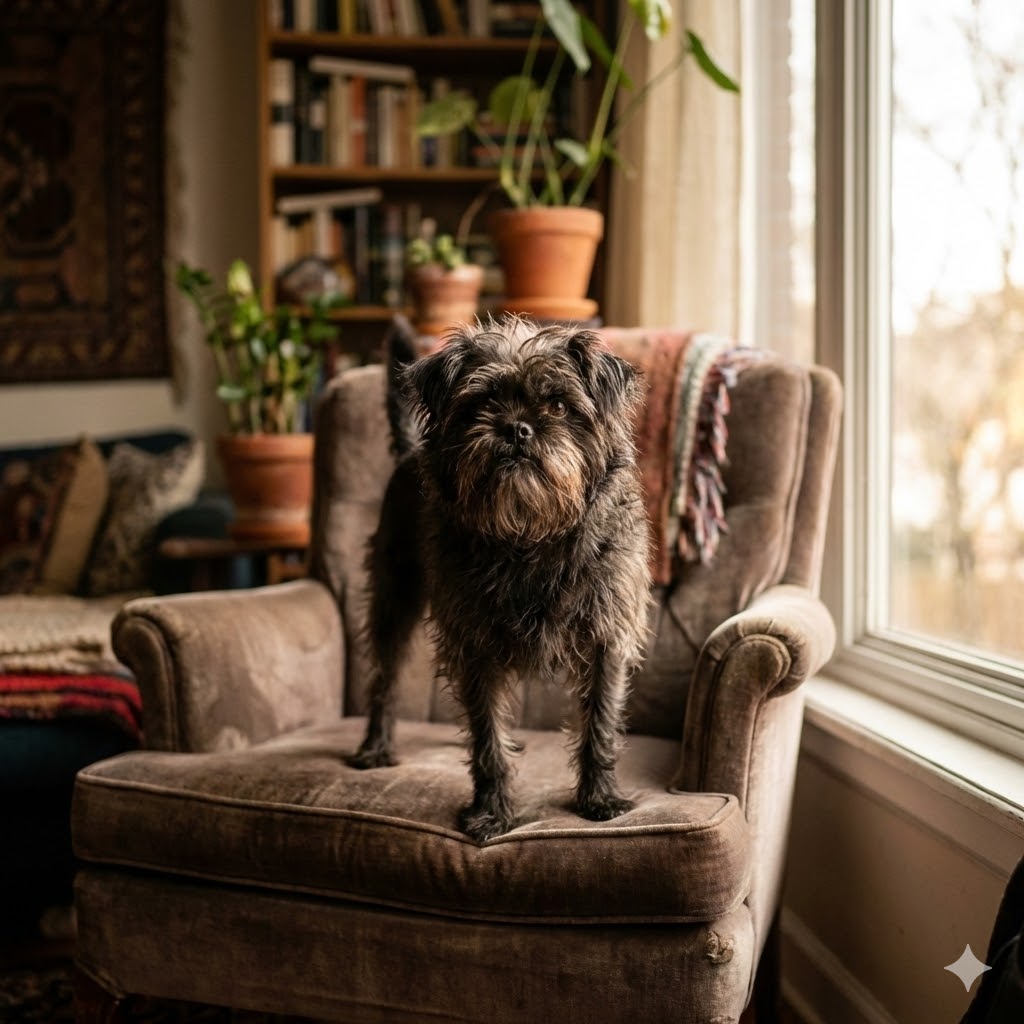
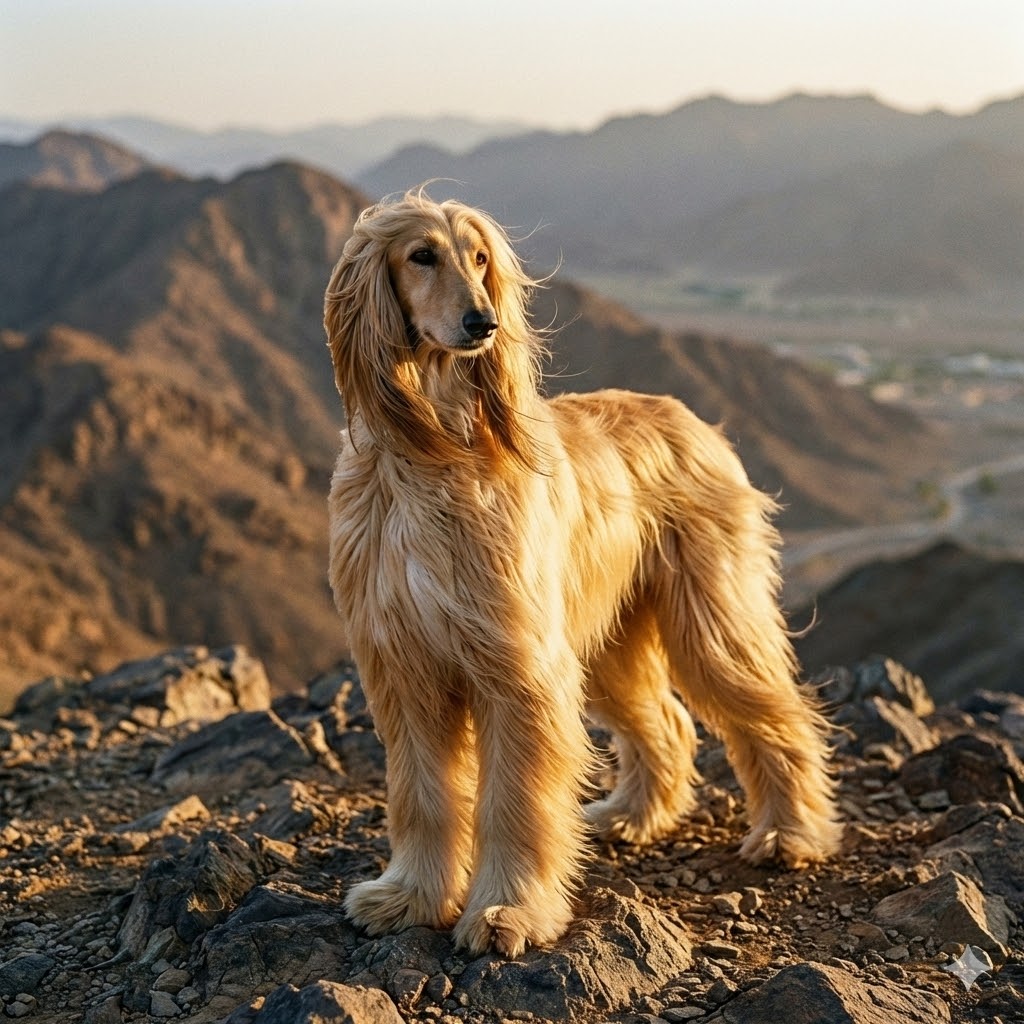
Compare Labrador Retriever with:
Based on comprehensive breed research data.