Alaskan Malamute vs Black Russian Terrier
A side-by-side comparison to help you find the right breed for your lifestyle.
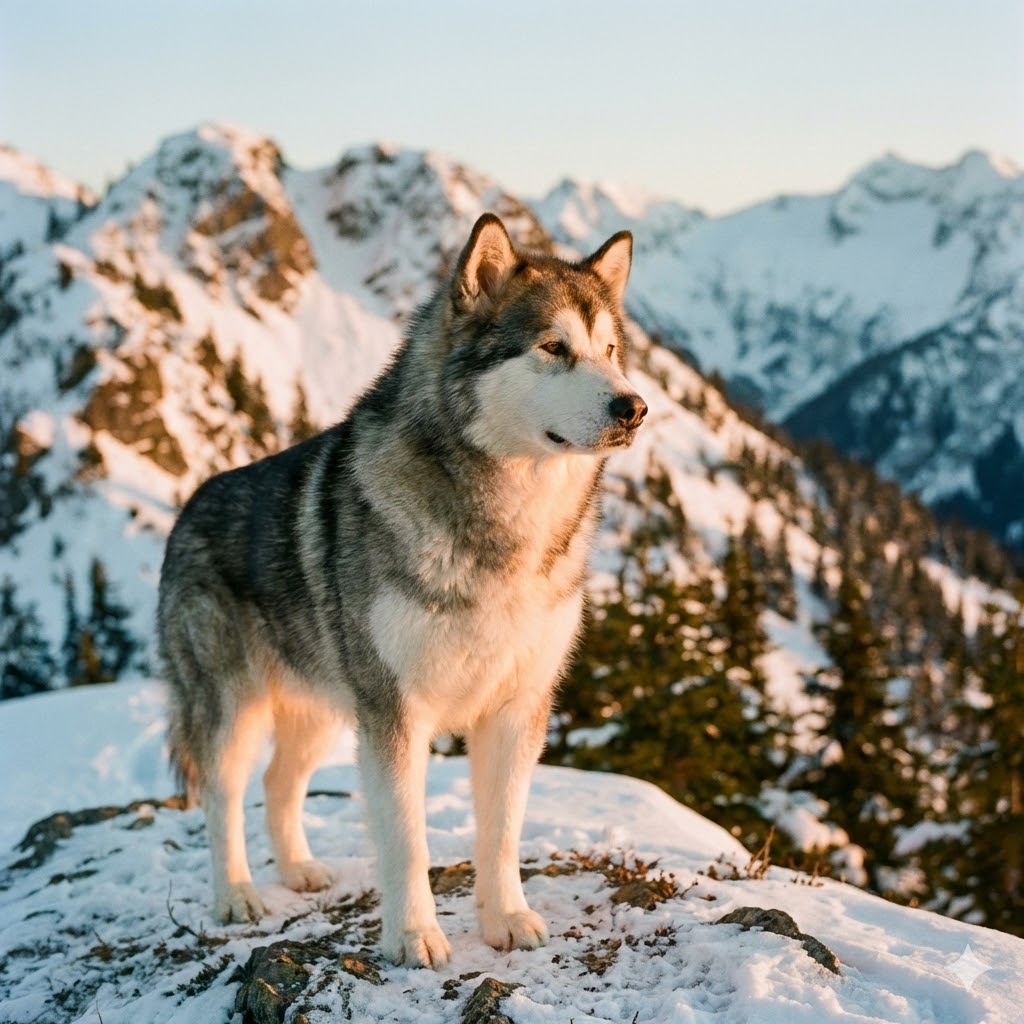
Alaskan Malamute
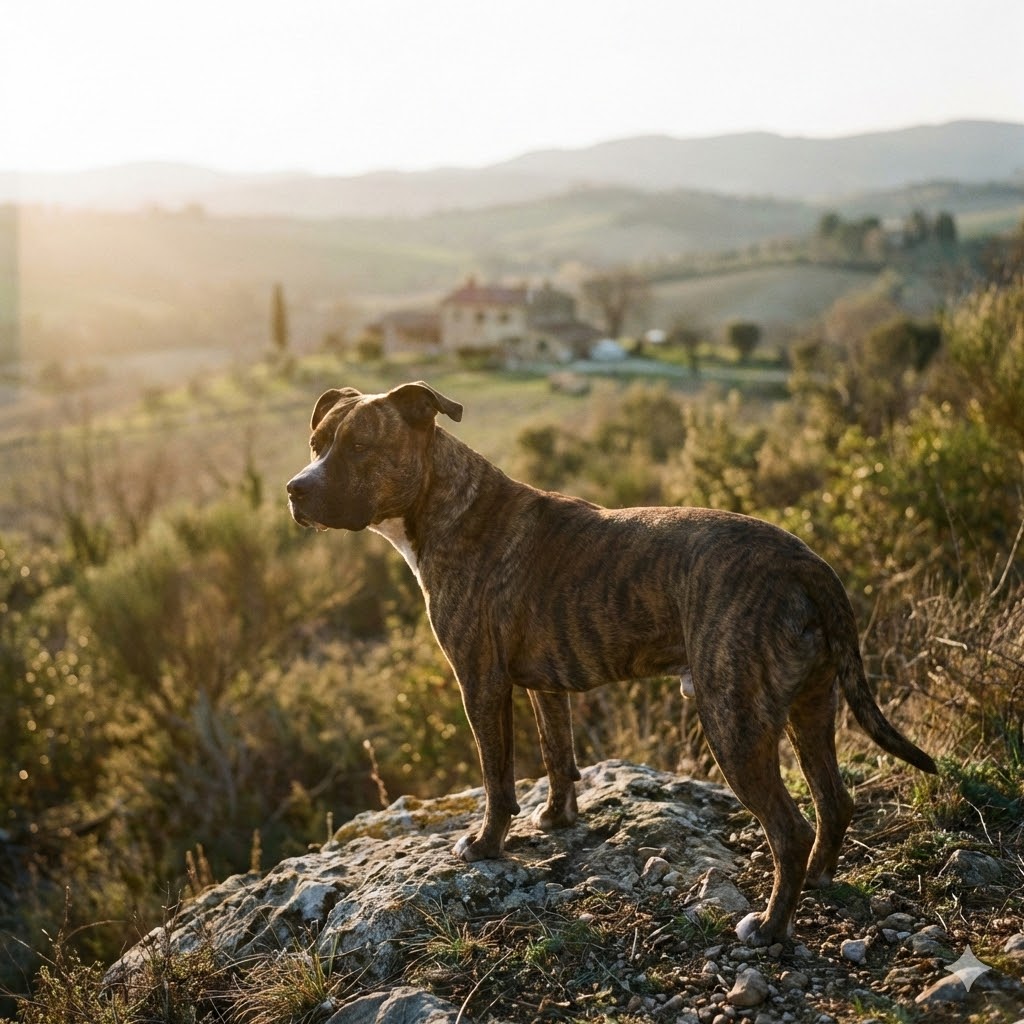
The Alaskan Malamute is a powerful and robust sled dog known for its strength, endurance, and friendly nature. Originating from the Arctic regions, this breed is characterized by its thick double coat, erect ears, and distinct plume-like tail, making it well-suited for harsh, cold environments.
Large
High
10-14 yrs
N/A
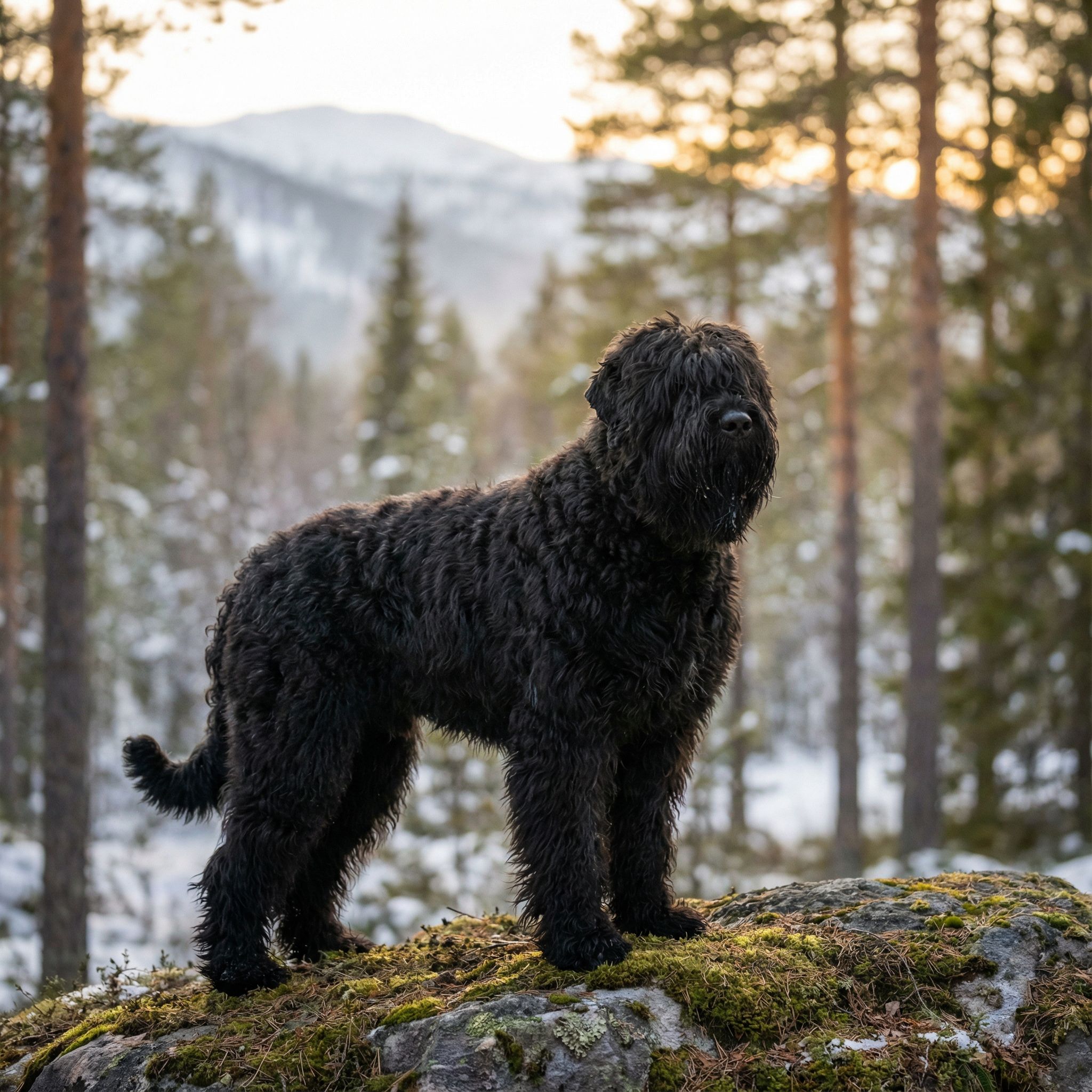
Black Russian Terrier
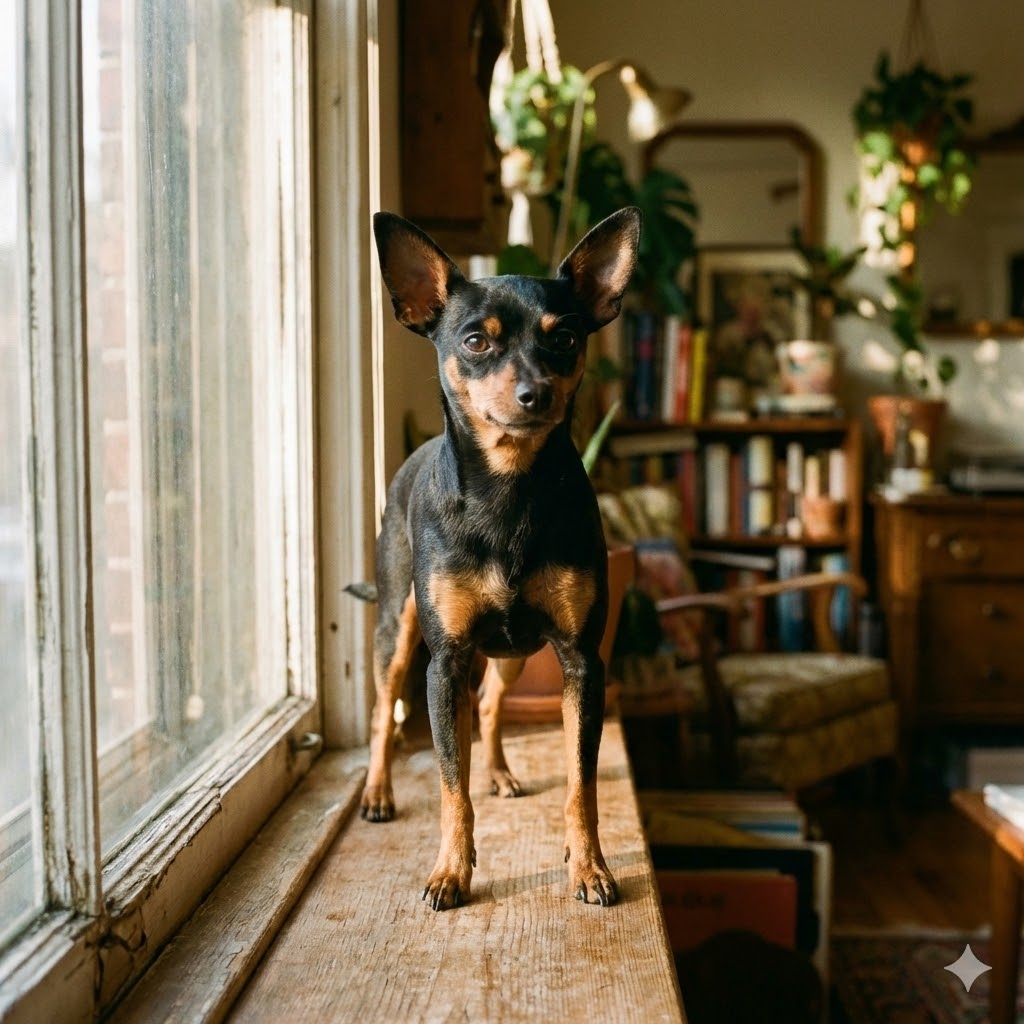
The Black Russian Terrier is a robust and intelligent breed originally developed in Russia for military and working purposes. Known for their loyalty and protective nature, they make excellent guard dogs and family companions, thriving with regular exercise and mental stimulation.
Extra Large
High
10-12 years yrs
N/A cm
Quick Comparison
| Trait | Alaskan Malamute | Black Russian Terrier |
|---|---|---|
| Energy | ||
| Trainability | ||
| Grooming Needs | ||
| Family Friendly | ||
| Independence |
Key Characteristics
| Good with Kids | ||
| Good with Dogs | ||
| Good with Cats | ||
| Hypoallergenic | ||
| Apartment Friendly | ||
| First-Time Owner OK |
| Detail | Alaskan Malamute | Black Russian Terrier |
|---|---|---|
| Size | Large | Extra Large |
| Energy Level | High | High |
| Grooming | High | High |
| Trainability | challenging | challenging |
| Barking Level | High | High |
| Shedding Level | High | Low |
| Chew strength | Hard | Hard |
| Housing | Yard | Yard |
Owner Fit & Decision Guide
Owner Match
| Trait | Alaskan Malamute | Black Russian Terrier |
|---|---|---|
| Experience Level | Experienced | Experienced |
| First-Time Owner | ||
| Ideal Owner | Active individual or family who can provide adequate exercise and training for a Alaskan Malamute. | Active individual or family who can provide adequate exercise and training for a Black Russian Terrier. |
Alaskan Malamute Dealbreakers
- Cannot meet 90-120 min daily exercise
- Cannot tolerate heavy shedding
Black Russian Terrier Dealbreakers
- Cannot meet 75-105 min daily exercise
- Cannot commit to grooming needs
Surrender Risk
| Factor | Alaskan Malamute | Black Russian Terrier |
|---|---|---|
| Risk Level | Medium | Medium |
| Primary Reasons | Underestimated exercise needs, Behavioral challenges, Cost of care | Underestimated exercise needs, Behavioral challenges, Cost of care |
Temperament & Personality
Behavior Comparison
| Trait | Alaskan Malamute | Black Russian Terrier |
|---|---|---|
| Prey Drive | ||
| Watchdog Ability | ||
| Stranger Friendly | ||
| Drool Level | ||
| Wanderlust |
Vocalization
| Trait | Alaskan Malamute | Black Russian Terrier |
|---|---|---|
| Barking Level | High | High |
| Howling Tendency | ||
| Whining Tendency | Low | Low |
| Separation Vocalization |
Safety & Reliability
| Trait | Alaskan Malamute | Black Russian Terrier |
|---|---|---|
| Escape Artist | ||
| Dog Park Suitable | ||
| Off-Leash Reliable | ||
| Small Animal Safe | ||
| Leash Reactivity | ||
| Resource Guarding Risk | Low | Low |
Alaskan Malamute Social Traits
Moderate
Selective
Black Russian Terrier Social Traits
Moderate
Selective
Training
Alaskan Malamute
- ** "What's in it for me?" The Malamute is not eager to please; they are eager to earn.
- s:** Positive reinforcement (food-based) is the only effective method. Harsh corrections trigger defensive aggression in this primitive breed [cite: 22].
Black Russian Terrier
- s, which can trigger defensive aggression. The ideal approach is **firm, fair, and consistent leadership**. You must be the one who initiates and ends activities. They are "pushy" and will test boundaries constantly [cite: 1, 22].
Alaskan Malamute Considerations
This is the single most common reason for rehoming adult Malamutes. While puppies may be social, sexual maturity (18-24 months) often triggers severe intolerance of dogs of the same sex. This trait is genetically linked to their history as working pack dogs where hierarchy was enforced with violence. It is often curable with training, only manageable with strict separation.
The Malamute possesses a "Full" predatory sequence toward small animals. They are known to kill cats, rabbits, birds, and even small dogs. This is not aggression; it is a feeding response. If you have small pets, this breed is a severe risk.
As a survivalist breed from a resource-scarce environment, they are prone to guarding food, toys, and high-value spaces. This requires an experienced handler to manage, not combat.
They are expert diggers and climbers. A standard 4-foot fence is insufficient; 6-foot fencing with dig guards (buried wire/concrete) is the minimum requirement.
Multi-Species Compatibility
| Species | Alaskan Malamute | Black Russian Terrier |
|---|---|---|
| With Cats | Caution - may chase | Caution - may chase |
| Small Mammals | Supervision required | Supervision required |
| Birds / Reptiles | Caution advised | Caution advised |
Advanced Behavior
| Trait | Alaskan Malamute | Black Russian Terrier |
|---|---|---|
| Predatory Sequence Risk | Medium | Medium |
| Biddability | Low | Low |
| Noise Sensitivity | Low | Low |
| Territorial Barking | ||
| Same-Sex Aggression Onset | 18 months | 18 months |
First Year & Life Stages
First Year Challenges
| Challenge | Alaskan Malamute | Black Russian Terrier |
|---|---|---|
| Puppy Difficulty | ||
| Destructive Phase | 6-24 | 6-18 |
| House Training | Challenging | Moderate |
| Crate Training | Medium | Medium |
| Adolescent Regression |
Alaskan Malamute: Alaskan Malamute puppies require consistent training and patience.
Black Russian Terrier: Black Russian Terrier puppies require consistent training and patience.
Life Stages Timeline
| Stage | Alaskan Malamute | Black Russian Terrier |
|---|---|---|
| Puppy Phase | 12 months | 12 months |
| Adolescence | 6-18 | 6-18 |
| Adult Years | 2-8 | 2-8 |
| Senior Onset | ~8 years | ~8 years |
| Peak Energy Age | 1-3 years | 1-3 years |
Size & Physical Characteristics
Physical Stats
| Measurement | Alaskan Malamute | Black Russian Terrier |
|---|---|---|
| Height | N/A | N/A cm |
| Weight | Not enough data yet | Not enough data yet |
| Size Category | Large | Extra Large |
| Lifespan | 10–14 years | 10–12 years |
| Litter Size | 4-8 | 4-8 |
Alaskan Malamute Coat
Black Russian Terrier Coat
Lineage & Origin
| Detail | Alaskan Malamute | Black Russian Terrier |
|---|---|---|
| Original Purpose | speed/endurance with light loads), the Malamute was bred for heavy freighting at slow speeds | The BRT was created in the 1940s-50s by the Soviet Army's Red Star Kennel to be a "super dog" for mi |
| Origin | severe structural and joint issues | N/A |
Breeding Details
| Detail | Alaskan Malamute | Black Russian Terrier |
|---|---|---|
| C-Section Rate | Varies | Varies |
| Whelping Difficulty | Medium | Medium |
| Puppy Mortality Rate | Low | Low |
Physical Risks
| Risk | Alaskan Malamute | Black Russian Terrier |
|---|---|---|
| Bloat / GDV Risk | Low | Low |
| Slippery Floor Risk | Low | Low |
| Min Fence Height | 1.5m | 1.5m |
| Dig / Escape Risk | Low | Low |
Health & Common Conditions
Alaskan Malamute Health Issues
Black Russian Terrier Health Issues
Alaskan Malamute Suggested Tests
- OFA/PennHIP screening
- DNA test for NDRG1 gene mutation (AMPN)
- Genetic screening for Chondrodysplasia
- DNA test for Cone Degeneration
Black Russian Terrier Suggested Tests
- OFA Hips
- OFA Elbows
- Eye Exam
- Cardiac Exam
- JLPP DNA test
- HUU DNA test
Health Risk Overview
| Risk Factor | Alaskan Malamute | Black Russian Terrier |
|---|---|---|
| Cancer Risk | Medium | Medium |
| Cardiac Risk | Low | Low |
| Neurological Risk | Low | Low |
| CCL/ACL Tear Risk | Low | Low |
| Vet Burden Tier | Medium | Medium |
Sensitivities & Allergies
| Sensitivity | Alaskan Malamute | Black Russian Terrier |
|---|---|---|
| Skin Allergies | ||
| Environmental Allergies | ||
| Stomach Sensitivity | Low | Low |
| Food Allergies |
Health Maintenance
| Care Item | Alaskan Malamute | Black Russian Terrier |
|---|---|---|
| Nail Growth Rate | Normal | Normal |
| Eye Care Needs | Low | Low |
| Anal Gland Issues | Occasional | Occasional |
Senior Care & Aging
Alaskan Malamute Senior Care
Common Senior Issues
- Arthritis
- Vision decline
- Cognitive changes
Senior care varies by individual health.
Black Russian Terrier Senior Care
Common Senior Issues
- Arthritis
- Vision decline
- Cognitive changes
Senior care varies by individual health.
Grooming & Care
Alaskan Malamute
high maintenanceBlack Russian Terrier
high maintenanceLifestyle Compatibility
Alaskan Malamute Daily Life
Black Russian Terrier Daily Life
Housing & Legal Restrictions
| Restriction | Alaskan Malamute | Black Russian Terrier |
|---|---|---|
| BSL Restricted | ||
| Common Rental Ban | ||
| Insurance Blacklist | ||
| Weight Category | Under 50lbs | Under 50lbs |
Climate Tolerance
| Climate | Alaskan Malamute | Black Russian Terrier |
|---|---|---|
| Heat Tolerance | ||
| Cold Tolerance | ||
| Water Affinity | Medium | High |
Travel Compatibility
| Activity | Alaskan Malamute | Black Russian Terrier |
|---|---|---|
| Car Travel | Good | Good |
| Camping | ||
| Beach Friendly | ||
| Hiking Rating | ||
| Cabin Flight Eligible | ||
| Hotel Friendly Size |
Niche Suitability
| Role | Alaskan Malamute | Black Russian Terrier |
|---|---|---|
| Service Dog | Low | Low |
| Therapy Dog | Low | Low |
| Deep Pressure Therapy | ||
| Canicross / Bikejoring | ||
| Apartment Adaptable | ||
| Tactile / Sensory Friendly | ||
| Livestock Guardian | ||
| Medical Alert | Low | Low |
Costs & Expenses
Upfront Costs
| Cost | Alaskan Malamute | Black Russian Terrier |
|---|---|---|
| Purchase Price | N/A | N/A |
| Initial Cost Range | $1,000–$2,500 | $1,000–$2,500 |
| Cost Tier |
Ongoing Costs
| Cost | Alaskan Malamute | Black Russian Terrier |
|---|---|---|
| Monthly Range | $140–$220 | $130–$210 |
| Yearly Range | $1,680–$2,640 | $1,560–$2,520 |
| Food / Month | $80-120 | $100-150 |
| Insurance / Month | $60-100 | N/A |
| Grooming / Session | $100-150 | $120-200 |
| Vet Routine / Year | $50-80 | N/A |
| Monthly Cost Tier |
Alaskan Malamute Lifetime Cost
N/A
Black Russian Terrier Lifetime Cost
N/A
Quirks & Fun Facts
Daily Quirks
| Quirk | Alaskan Malamute | Black Russian Terrier |
|---|---|---|
| Snoring | ||
| Flatulence | Occasional | Occasional |
| Slobber Level | Low | Low |
| Smell When Wet | Moderate | Moderate |
| Zoomies Frequency | Occasional | Occasional |
| Counter Surfing | ||
| Digging Tendency | Low | Low |
Frequently Asked Questions
Turn your dog into a brand deal.
Pet brands are looking for authentic creators — not celebrities. If you own a Alaskan Malamute or Black Russian Terrier, you can land collabs — product, gear, and exclusive perks — for sharing your dog's life on Instagram.
No followers minimum · Free to join
Compare with Other Breeds
Compare Alaskan Malamute with:
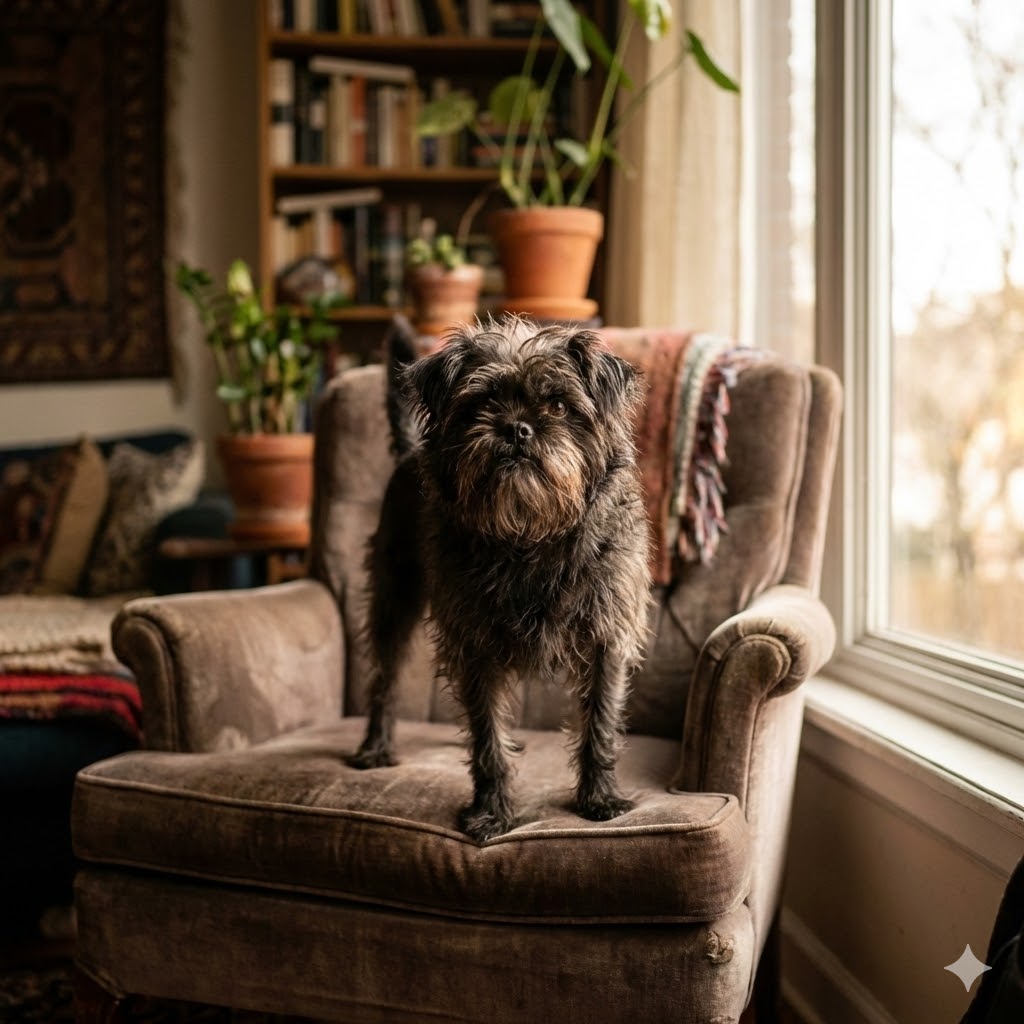
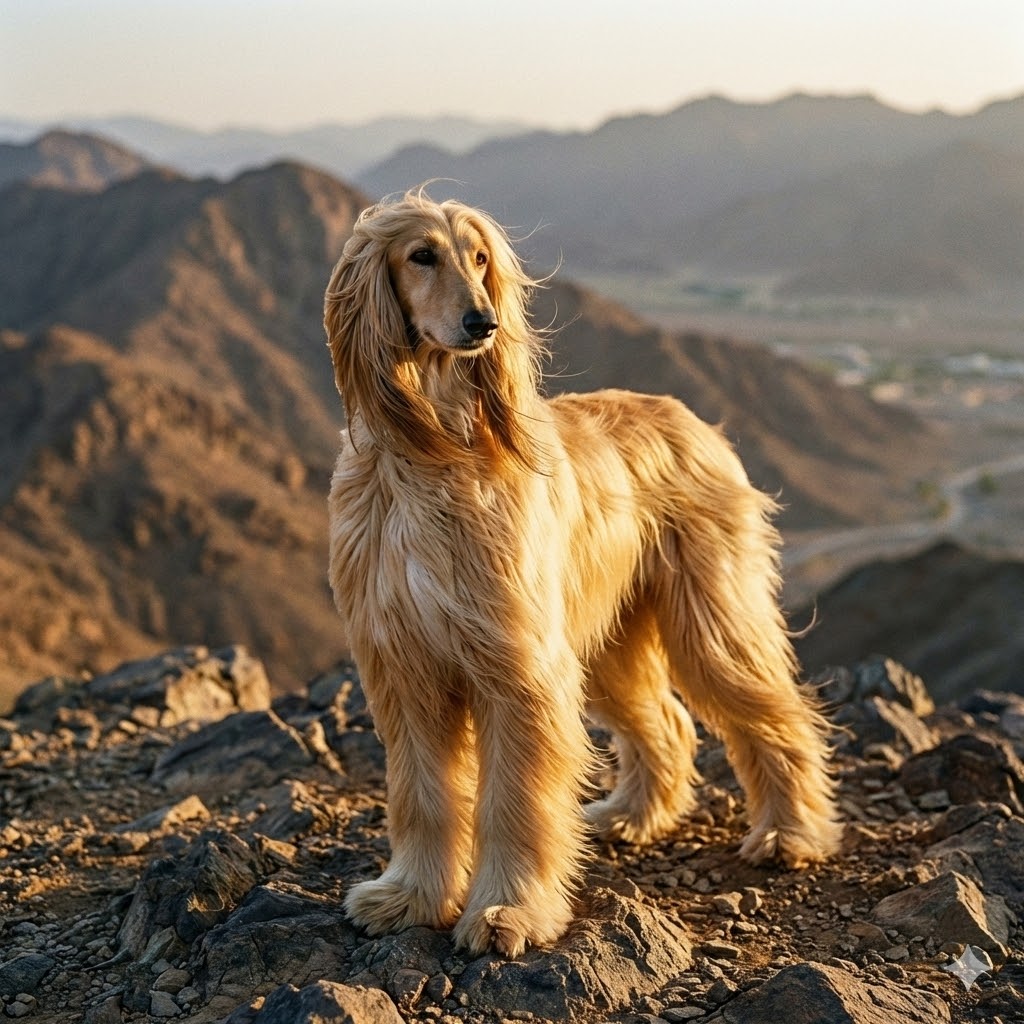
Compare Black Russian Terrier with:
Based on comprehensive breed research data.
View Alaskan Malamute profile·View Black Russian Terrier profile